Top Marketing Automation Tools for Lead Generation in 2026
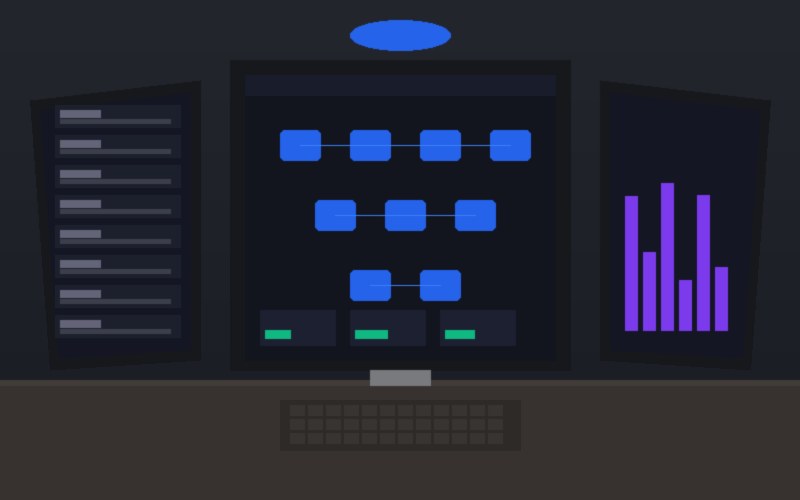
For service businesses and wellness brands generating leads at scale, the gap between a good month and a great month often comes down to what happens after the lead comes in. Speed of follow-up, consistency of communication, and the ability to nurture prospects who are not ready to buy immediately — these are the factors that separate businesses with high conversion rates from those that waste half their lead spend on prospects who never hear back.
Marketing automation solves this by replacing manual, inconsistent follow-up with systematic, triggered sequences that run around the clock. Here are the tools that are making the biggest difference for lead-driven businesses in 2026.
Email and SMS Automation
ActiveCampaign
ActiveCampaign remains one of the most capable marketing automation platforms for businesses that need sophisticated email and SMS workflows without enterprise-level pricing. Its visual automation builder allows you to create complex follow-up sequences based on lead behavior — for example, sending a different email series to a homeowner who requested a roofing estimate versus one who downloaded a solar savings guide.
What sets ActiveCampaign apart is its CRM integration. Unlike pure email tools, it tracks the full customer journey from first touch to closed deal, giving you visibility into which automation sequences are actually producing revenue, not just opens and clicks. For home service businesses managing hundreds of leads per month, this attribution capability is invaluable.
Klaviyo
Klaviyo is the go-to automation platform for DTC and e-commerce brands, including supplement and wellness companies. Its deep integration with Shopify, WooCommerce, and other e-commerce platforms allows for highly personalized automation based on purchase history, browsing behavior, and subscription status.
For wellness brands, Klaviyo's strength is in post-purchase automation. Welcome sequences, replenishment reminders, review requests, and win-back campaigns can all be automated based on individual customer timelines. The platform's segmentation capabilities are among the best in the industry, allowing brands to create hyper-targeted campaigns that speak directly to each customer's stage in the buying journey.
Ad Optimization and Bidding
Meta Advantage+
Meta's Advantage+ suite represents the current state of AI-powered ad optimization. Rather than manually selecting audiences, placements, and bid strategies, Advantage+ campaigns allow Meta's machine learning to dynamically allocate budget across the entire Facebook and Instagram ecosystem based on real-time performance signals.
For lead generation campaigns, Advantage+ Shopping and Advantage+ App campaigns have shown strong results, but the most relevant tool for service businesses is the Advantage+ creative optimization, which automatically tests different combinations of headlines, images, and descriptions to find the highest-performing variations. When paired with a well-structured creative testing matrix, this tool can significantly reduce the time needed to identify winning ad combinations.
Landing Pages and Lead Capture
Unbounce
Unbounce specializes in landing page creation and optimization for paid traffic campaigns. Its Smart Traffic feature uses AI to automatically route each visitor to the landing page variant most likely to convert them, based on attributes like device type, location, and traffic source. For businesses running high-volume paid campaigns across multiple geographies and services, this dynamic optimization can improve conversion rates by 20 to 30 percent compared to static A/B testing.
Unbounce also offers pop-up and sticky bar tools for capturing leads from organic traffic, making it useful beyond just paid campaigns. Its integration with major CRMs and email platforms means leads flow directly into your automation sequences without manual intervention.
Workflow and Pipeline Automation
Zapier and Make
Not every automation needs to happen within a single platform. Zapier and Make (formerly Integromat) are integration tools that connect different applications and automate workflows between them. For lead generation businesses, common automations include sending new form submissions from a landing page directly into a CRM, triggering an SMS notification to a sales rep when a high-value lead comes in, automatically tagging and routing leads based on their inquiry type, and syncing lead data between affiliate network tracking platforms and internal systems.
These tools are particularly valuable for businesses that use a mix of platforms rather than a single all-in-one solution. They eliminate the manual data entry and copy-pasting that slows down follow-up and introduces errors.
AI-Powered Research and Competitive Analysis
Beyond the traditional marketing automation stack, a new category of tools is emerging that uses artificial intelligence to automate the research and strategy phases of campaign development. These tools can scan competitive ad libraries, analyze messaging trends, identify emerging audience segments, and generate creative briefs based on data rather than intuition.
For performance marketing agencies and in-house teams managing campaigns across multiple verticals, this type of automation compresses the research cycle from days to hours, allowing faster campaign launches and more informed creative decisions. While many of these tools are still maturing, the best operators are already integrating them into their standard workflow.
Choosing the Right Stack
The ideal automation stack depends on your business model and budget. A home service contractor generating 50 to 100 leads per month needs a solid CRM with automated follow-up — ActiveCampaign paired with Zapier is a strong combination. A DTC wellness brand doing $500,000 per month in revenue needs Klaviyo for retention, Meta Advantage+ for acquisition, and Unbounce for landing page optimization. And a performance marketing agency managing campaigns across multiple clients and verticals needs all of the above, plus competitive intelligence tools and robust reporting infrastructure.
The common thread is that automation should remove bottlenecks, not add complexity. Start with the one or two processes where manual effort is most costly — usually lead follow-up and creative testing — and automate those first. Then expand systematically as the business grows.
Want an Automated Lead Pipeline?
BizScalePro builds performance marketing systems that generate, qualify, and deliver leads automatically.
Let's Talk Automation